Four types of developer programs.
Built at five companies. Here is the evidence.
Not a list of responsibilities. Each entry links to something real — a portal still live, a talk on YouTube, a chapter you can download.
Before you build a developer program, answer two questions: who are you trying to reach, and why? The answer determines your content, events, metrics, and who you hire first.Luke Kilpatrick, Developer Marketing Essential Guide
 marketplace.atlassian.com
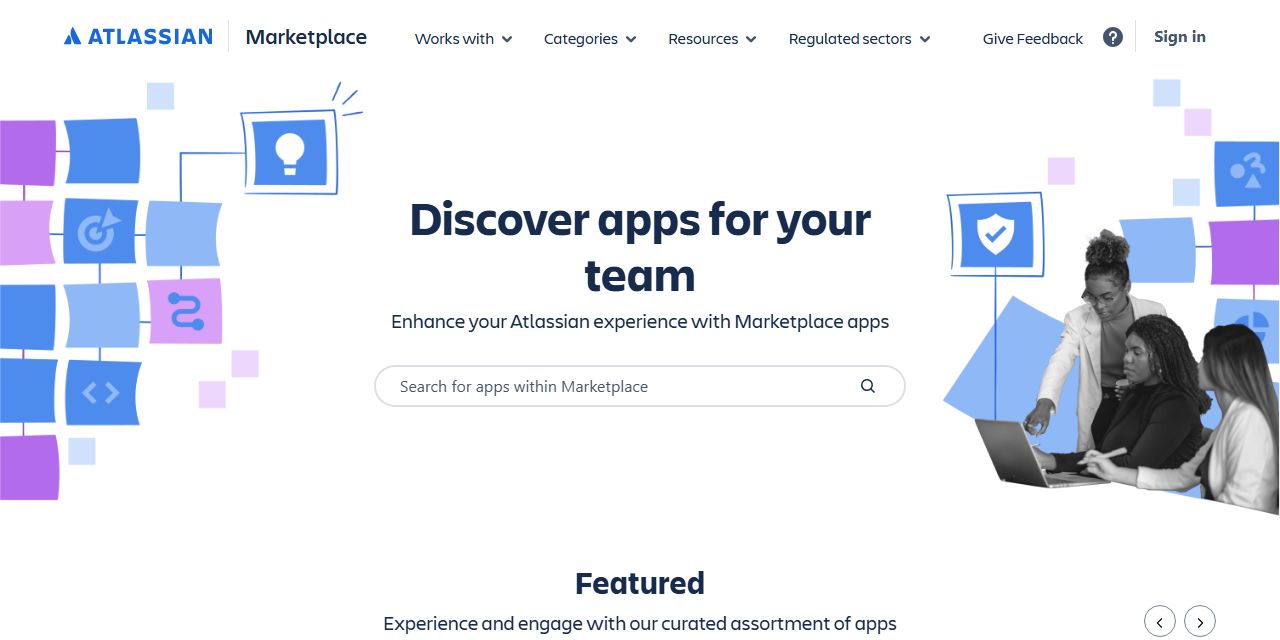
Your product is extensible. Developers build apps, plugins, or extensions that expand your platform. Their primary motivation is financial: businesses can be built on your platform.
Programmed and produced 4 AtlasCamps and 5 Atlassian Summits. Created App Week — Atlassian's invite-only focused work week: 120 developers, 30-40 Atlassian staff, theme-based, designed to rebuild the personal connections that scale erodes. Ran Codegeist hackathon for 3 years: 1,500+ developers, 314 new Marketplace apps.
 nutanix.dev
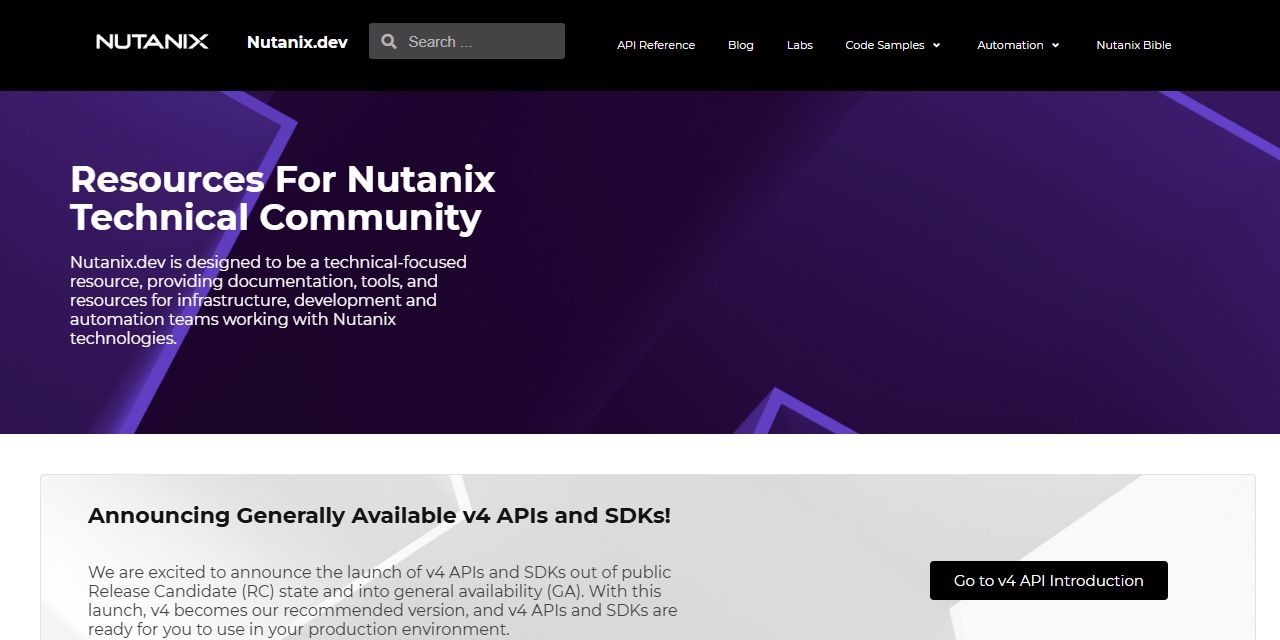
Your product has APIs. Developers at customer companies need to integrate, automate, and build workflows. They work for someone who already bought your product. Your job is to make them successful with it.
Nutanix was a hardware company mid-pivot to software with no developer program. Secured VP-level buy-in, built team 1 to 5, launched nutanix.dev with 49+ open-source repos. Ran API Accelerator labs in 11 cities, 400+ developers trained. Learned the hard way in London — 5 of 46 attendees were actual developers — and redesigned the format until it worked.
 linearb.io
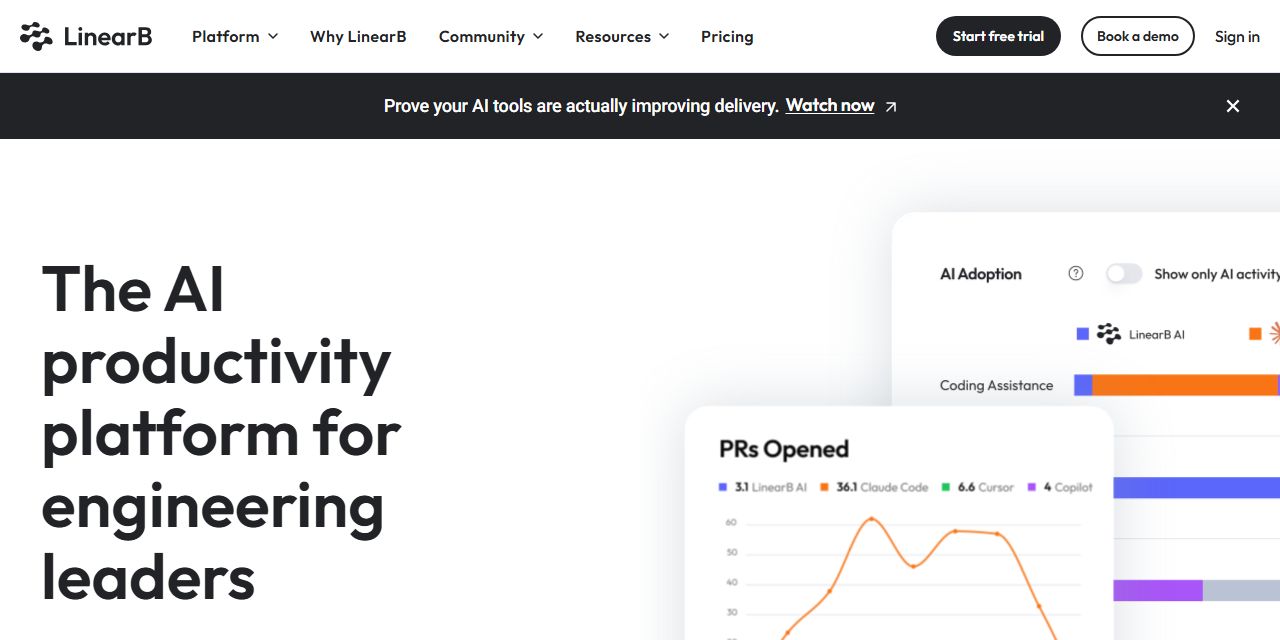
Your product is the tool developers use directly. Individual developers try it, adopt it, and pull it into their teams. Bottom-up adoption. This audience will not tolerate being marketed to.
Built the LinearB developer program around gitStream — a free PR automation tool that makes pull requests faster and easier. The strategy was a deliberate loss leader: developers adopt gitStream, save time on code review, then ask how much time they're saving. That question leads them to LinearB, the developer metrics platform. Keynoted Devoxx UK 2022 in London (the UK's premier Java developer conference), then ran a global conference tour through Fall 2022 to drive adoption. Built gitStream docs from scratch: quickstarts, automation library, API reference, plugin guides, and an interactive playground.
 sencha.com
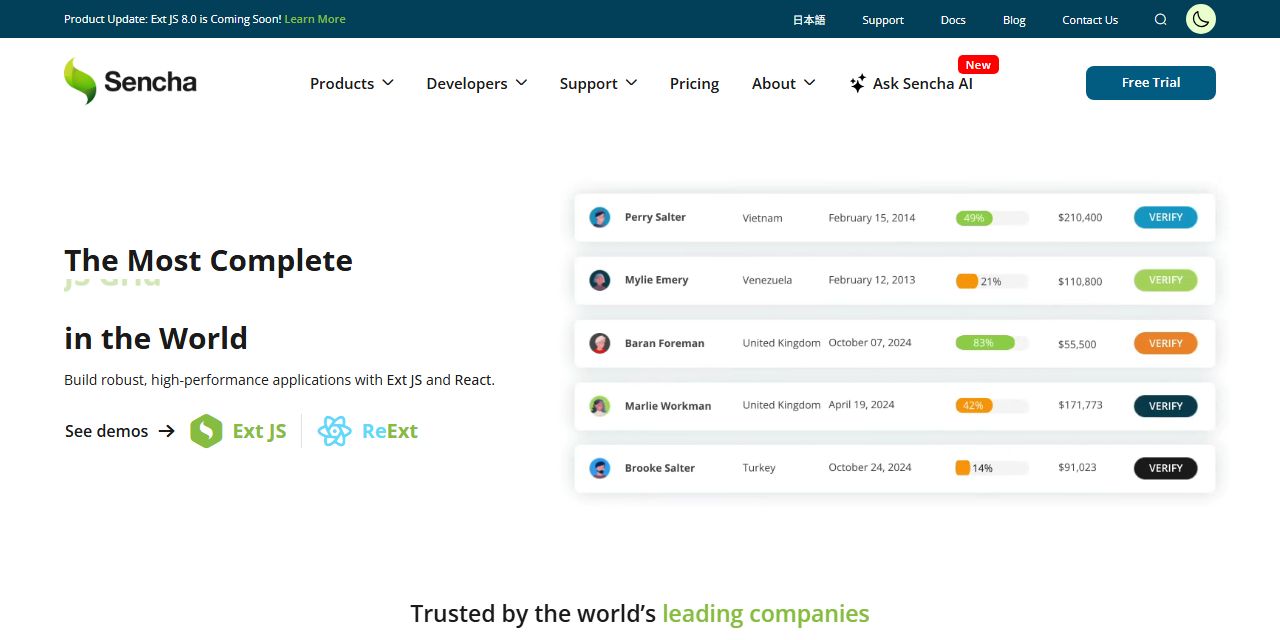
Your product is one instrument in a larger orchestra. Developers are the conductor — they choose every part of the stack and assemble them into something that plays together. No single instrument makes a symphony. Your job is to be the one they reach for, integrate cleanly, and never have to think about twice.
Sencha was the defining UI framework of the Flash-to-HTML5 transition — 140+ components, 2M+ developers, 60% of the Fortune 100. I ran developer relations during the critical adoption window: produced and track-led SenchaCon 2013 at the Swan & Dolphin in Orlando for 2,000+ attendees, and ran user group tours across multiple cities to bring developers onto Ext JS and Sencha Touch as the industry was choosing its HTML5 stack. The window was narrow. Getting developers to commit to a framework in that moment meant winning accounts for years.
Building the infrastructure developers need to self-serve.
Before you can grow a developer ecosystem, developers need somewhere to land. A portal with real docs, real quickstarts, and a path from zero to working in under an hour. I have built this from scratch at three companies — each time inheriting nothing and shipping something developers actually use. At Nutanix, this meant convincing a hardware company mid-pivot to software that developers were worth a multi-year investment before the revenue showed up.
Nutanix was pivoting from hardware to software when the developer program didn't exist. Secured VP-level executive sponsorship, built the team from 1 to 5, launched nutanix.dev with 49+ open-source repos, self-paced labs, API reference, and Twitch live coding. Spent the first 6 months establishing baseline metrics — portal visits, event attendance, mailing list growth — before tying anything to revenue.
Complete docs for LinearB's workflow automation product. Quickstarts, automation library, API reference, plugin dev guides.
Rebuilt developer presence and onboarding for a distributed computing platform entering a competitive market.
Data points with receipts.
Every number links to the thing it is measuring.
The playbooks. In writing.
Two chapters I authored in the Developer Marketing Essential Guide. The actual frameworks, not a summary.
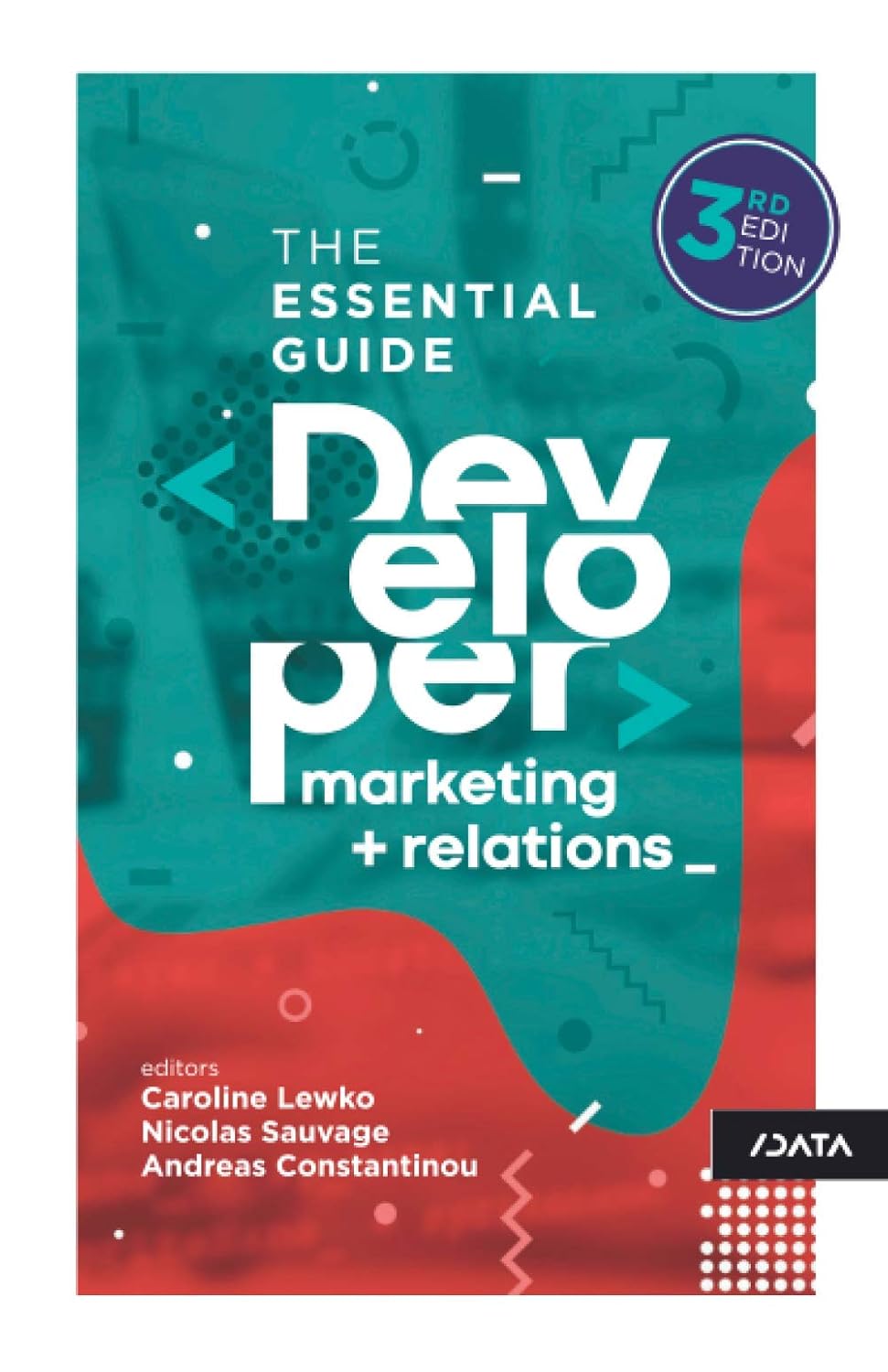
I have built developer programs at three companies, launched to developer audiences on four continents, and published the playbook for how to do it.
First question I always ask: what type of developer program are you actually building? The answer changes everything. Let's talk.